Picking the Optimal Roof Choice: An In-Depth Handbook for Home Owners
Picking the suitable roofing material is crucial for property owners. It shapes not only the house's visual appeal but also its strength and thermal performance. With various options on the market, each with distinct advantages and drawbacks, the decision can be challenging. Property owners must evaluate factors such as climate, style, and budget. Grasping these components can result in a more informed decision. What specific options stand out, and how do they correspond to individual requirements?
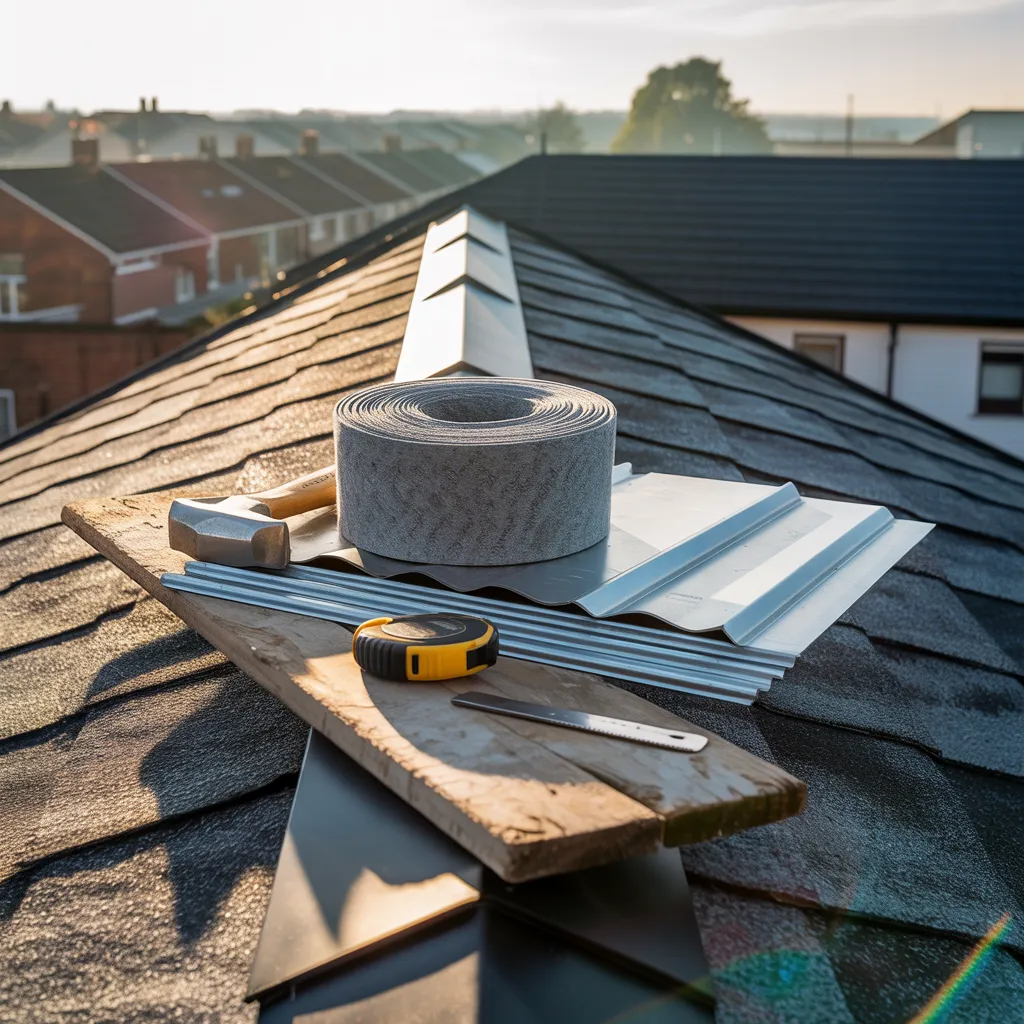
Examine Preferred Roofing Alternatives
When selecting a roofing material, property owners encounter a wide array of options, each with unique characteristics and benefits. Asphalt shingles remain one of the most popular choices due to their low cost and ease of installation. They offer good weather resistance and come in various colors, appealing to a wide range of aesthetics. Metal roofing, known for its durability and longevity, is another option, often favored for its energy efficiency and modern look. Tile roofing, frequently seen in warmer climates, provides excellent insulation and a distinctive appearance but tends to be more expensive and heavier. Wood shakes offer a rustic charm, although they require more maintenance and are susceptible to fire and rot. Finally, slate roofing, while costly, is revered for its elegance and durability, making it a long-term investment. Each material presents its own set of advantages, allowing homeowners to make informed decisions based on their specific needs and preferences.
How to balance Cost and Value?
Achieving equilibrium between expense and worth in roofing material selection demands thoughtful consideration of multiple factors. Assessing extended resilience, examining the influence of energy efficiency, and comparing installation costs are vital steps in determining an informed choice. Each of these elements plays a role in the overall investment and sustained satisfaction with the roofing option.
Assess Long-Term Resilience
While many homeowners concentrate mainly on initial expenses, evaluating long-term durability is essential for making a wise investment in roof options. Durable roofing options, such as metal, slate, or tile, may have greater upfront costs but often provide significant longevity, reducing the need for regular maintenance and replacements. In contrast, less expensive materials, like asphalt shingles, may need to be replaced within 15 to 30 years, leading to higher long-term costs. Homeowners should consider the roof's durability, resistance to weather elements, and maintenance requirements when determining value. Additionally, guarantees can offer insight into longevity, indicating producer trust in the product. Ultimately, choosing a durable roofing material balances initial expenses with future savings, ensuring a more sound investment for the future.
Determine Power Efficiency Impact
Analyzing the impact of energy efficiency is critical for homeowners who aim to balance spending and worth in their roofing options. Energy-efficient roofing materials can significantly reduce heating and cooling charges, leading to long-lasting savings. Homeowners should evaluate options such as metal, tile, or reflective shingles, which improve thermal insulation and limit heat intake. The upfront expense may be higher, but the potential for energy savings over time often makes up for it. In addition, energy-efficient roofs may boost home comfort and support environmental sustainability. Homeowners are encouraged to examine local climate conditions and energy prices before making decisions. Ultimately, selecting the best roofing material requires balancing initial investment with possible energy savings and overall value.
Analyze Setup Costs
When picking roof options, understanding labor expenses is essential for property owners striving to balance price and quality. Different materials come with varying labor costs, often shaped by complexity and labor requirements. For example, asphalt shingles typically have reduced labor expenses compared to metal or slate roofs, which may require expert knowledge. Property owners should also consider long-term value; while budget-friendly options might save money upfront, they may demand more frequent repairs or replacements. Moreover, factors such as local labor rates and construction regulations can influence overall expenses. Evaluating these factors helps property owners choose wisely that correspond to their budget while ensuring longevity and visual quality in their roof selection.
Roof Longevity and Lifespan
Learning about roof durability and lifespan is essential for homeowners making informed choices about roofing materials. Different materials supply different durability degrees, which directly influences their longevity. For example, asphalt shingles typically last 15 to 30 years, while metal roofs can survive 40 to 70 years, depending on the quality and preservation.
Moreover, considerations such as weather conditions, quality of workmanship, and consistent maintenance serve as vital factors in defining a roof's lifespan. Residents should evaluate the material's resistance to elements like wind, moisture, and UV rays, as these can substantially influence durability.
At the end of the day, choosing a roofing material that marries durability and a extended life can produce diminished maintenance costs and limited replacements as time goes on. Property owners are encouraged to evaluate their specific requirements and engage with experts to determine the ideal material for their context, ensuring continuous satisfaction and care for their homes.
Determining the Best Roof Options for Your Weather Conditions
Deciding on the appropriate roofing material is crucial, notably as weather patterns can considerably determine a roof's strength and longevity. Homeowners located in regions with extreme temperatures should consider materials that can endure both warm and cold conditions. For illustration, metal roofs bounce back sunlight, rendering them excellent for hot climates, while asphalt shingles offer insulation advantages in colder areas.
In regions prone to heavy rainfall or snow, substances like slate or tile offer superior durability and water resistance. Conversely, those residing in arid, arid environments might favor lightweight materials that minimize heat absorption. Wind resistance is yet another aspect; homeowners in hurricane-prone areas ought to select materials designed to withstand high winds to avoid damage in storms.
Ultimately, comprehending local climate conditions enables homeowners to make informed choices, ensuring their roofing material not only enhances the home's look but also provides lasting protection against environmental challenges.
Modern Roofing Options to transform your home's exterior
Aesthetic roofing styles play an essential role in improving a home's general attractiveness. Various architectural styles and a range of color and texture options allow homeowners to customize their roofs to match their designs. Understanding these elements can significantly influence both the visual impact and worth of a property.
Popular Construction Designs
Roofs serve as the finishing element of a home, greatly affecting its overall design. Various design styles dictate specific roofing designs, contributing to the character and functionality of residences. For instance, Colonial homes often feature gable roofs that enhance symmetry, while Victorian houses may showcase intricate, multi-faceted roofs that highlight their ornate nature. Contemporary designs frequently employ flat or low-slope roofs, emphasizing simplicity and clean lines. Mediterranean styles, characterized by their red-tiled roofs, evoke a warm, inviting atmosphere. Each style serves not only an aesthetic purpose but also responds to regional climates and environmental factors, ensuring durability and efficiency. Selecting the appropriate roofing material aligned with these architectural styles is essential for achieving cohesive home aesthetics.
Color and Texture Variations
Numerous finish and color options exist for roofing materials, each contributing to the visual appeal of a home. Homeowners can choose from a spectrum of hues, ranging from classic neutrals to vibrant shades that make a statement. Textured finishes, such as slate or wood shakes, create depth and character, improving the overall aesthetic. Metal roofing, found in various colors and finishes, can mirror traditional materials while offering modern durability. Additionally, the choice of roofing material shapes the texture; for instance, asphalt shingles create a smooth surface, while tile can deliver a more rugged appearance. Ultimately, picking the right color and texture not only reflects personal style but also influences the home's curb appeal and value.
Compatibility With Residential Design
How can one ensure that their roofing choice works with the overall design of their home? Homeowners see more should evaluate the architectural style, color palette, and neighborhood aesthetics when picking roofing materials. For traditional homes, options like asphalt shingles or wood shakes may enhance the classic look, while modern designs might gain from metal or flat roofs. Additionally, the roofing material's texture can enhance visual appeal; for instance, slate offers a sophisticated finish that suits upscale designs. It is essential to harmonize the roofing choice with existing elements, such as siding and trim, ensuring a cohesive appearance. Ultimately, a well-chosen roof not only strengthens a home's charm but also boosts its market value, making thoughtful selection essential.
Ultimate Things to Think About Before Picking Your Roof
When selecting a roof type, property owners need to assess various essential factors that can greatly impact longevity, visual appeal, and cost. Climate plays a significant part; locations experiencing harsh climates demand products capable of enduring harsh elements. Additionally, area building standards and guidelines may dictate certain roofing options, affecting the decision-making process.
Property owners should also evaluate the extended financial obligations associated with repairs and power usage. Some materials, while originally cheaper, may incur greater upkeep expenses over time. Design preferences should not be overlooked; the picked material should harmonize with the complete aesthetic of the home.
Finally, seeking advice from a professional can present key insights, verifying that the chosen roofing material fits with specific requirements and property specifications. By examining these elements, homeowners can choose wisely that raises their home's value and longevity.
Regularly Posed Questions
How Do Roof Selection Shape Your Home Insurance Premiums?
Roofing materials significantly influence home insurance premiums. Durable materials often result in reduced rates, as they decrease the risk of damage. Alternatively, less durable choices may result in increased premiums due to greater potential for claims.
Can I install a fresh roofing on top of my existing one?
Yes, a new roof can often be placed on top of an existing one, provided it meets local building codes and structural integrity requirements. However, consulting a professional is advised to ensure correct installation and prevent potential problems.
How Do Different Roofing Materials Affect the Ecosystem?
Various roofing materials have different environmental impacts. Asphalt shingles contribute to landfill waste, while metal roofs offer recyclability. Green roofs enhance insulation and biodiversity, whereas traditional tiles may demand high energy for production, affecting carbon footprints.
How Do I Maintain My Roof After Being Installed?
To keep up a roof after setup, property owners should frequently check for any damage, clean out gutters, get rid of debris, spot leaks, and schedule annual professional inspections, ensuring longevity and optimal performance of the roofing system.
What Warranties Typically Come With Roofing Materials?
Generally, roofing materials include coverage plans that range from 20 to 50 years, addressing defects and occasionally installation. Manufacturers frequently offer separate warranties for labor, ensuring homeowners remain protected against potential issues during the specified period.